 Your Email List is the Most Valuable Thing You Own. Are You Treating It That Way?
Something shifted quietly over the last few years and most marketers haven’t fully caught up to what it means.
Third-party cookies are dying. Ad targeting is getting less precise. The ability to follow your customer across the internet, serve them the perfect ad at the perfect moment, and measure everything cleanly is eroding fast. The era of renting attention from platforms and calling it a strategy is coming to an end.
Which means the marketers who built something they actually own are about to have a very significant advantage over everyone who didn’t.
Your email list is first-party data. That’s information your subscribers gave you directly, voluntarily, with full context about who they are and what they want. No algorithm owns it. No platform can take it away. No policy change can make it disappear overnight. In a world where every other targeting mechanism is getting noisier and more expensive, that kind of direct access to a warm, opted-in audience is genuinely rare — and getting rarer.
But here’s the uncomfortable question: are you actually treating it that way?
Most marketers are sitting on a gold mine and using it like a megaphone. They blast the same email to everyone on the list, measure open rates, shrug at the results, and repeat. That’s not activating a first-party data asset. That’s wasting one. The real opportunity is in segmentation — knowing which subscribers are buyers versus browsers, which topics drive clicks versus crickets, which segments are ready for an offer and which ones need more nurturing first. Every click, every reply, every purchase your subscribers make is a data point that makes your next campaign smarter. Most marketers collect that data and ignore it entirely.
Enriching your list is the next level. Ask your subscribers what they want. Survey them. Use the answers to create segments that actually reflect real differences in intent, not just demographic guesses. The more precisely you understand who’s on your list and why, the more precisely you can serve them and the higher every conversion metric climbs as a result.
The brands that win the next five years of digital marketing won’t necessarily be the ones with the biggest ad budgets. They’ll be the ones who built deep, data-rich relationships with their audiences while everyone else was busy renting eyeballs from platforms that don’t have their best interests at heart.
Your email list isn’t just a marketing channel anymore. It’s your most valuable business asset. Start treating it like one.
The smartest marketers are beginning to think less like advertisers and more like asset managers. They understand that every new subscriber represents more than a potential sale. Each subscriber is a relationship, a conversation, and a source of insight. When you consistently provide value, listen to feedback, and pay attention to behavior, your list becomes increasingly intelligent over time. It starts telling you what products to create, what content to publish, and what problems your audience is most eager to solve.
This shift is especially important as artificial intelligence becomes more common. AI can help you create content faster, analyze subscriber behavior, and personalize campaigns at scale. But AI is only as valuable as the data it has access to. The marketers with rich first-party data will be able to use these tools far more effectively than those relying on generic audiences and borrowed platform data. In many ways, your email list is becoming the fuel that powers your future marketing efforts.
There’s another advantage that often gets overlooked: resilience. Social media platforms rise and fall. Search algorithms change. Advertising costs fluctuate. Entire traffic sources can disappear almost overnight. Yet a healthy email list remains one of the few assets that moves with you regardless of what happens in the broader digital landscape. When you own the relationship, you are no longer dependent on the decisions of a technology company whose priorities may change tomorrow.
The businesses that thrive in the coming decade will likely be those that invest in audience ownership before they absolutely have to. They’ll focus on growing their lists deliberately, maintaining data quality, improving engagement, and creating experiences that encourage subscribers to stay connected for years rather than weeks. While others chase the latest platform or traffic hack, they’ll be quietly building an asset that compounds in value month after month and year after year.
If you had an asset that increased in value every time someone interacted with it, trusted it, or learned from it, you would protect it carefully and invest in it consistently. That’s exactly what an email list has become. The question is no longer whether email marketing still works. The question is whether you’re willing to treat your subscriber list with the importance it deserves.
Because in an online world where ownership is becoming increasingly rare, the audience that chooses to hear from you directly may be the most valuable thing you’ll ever build.
Why Email Marketing Still Matters
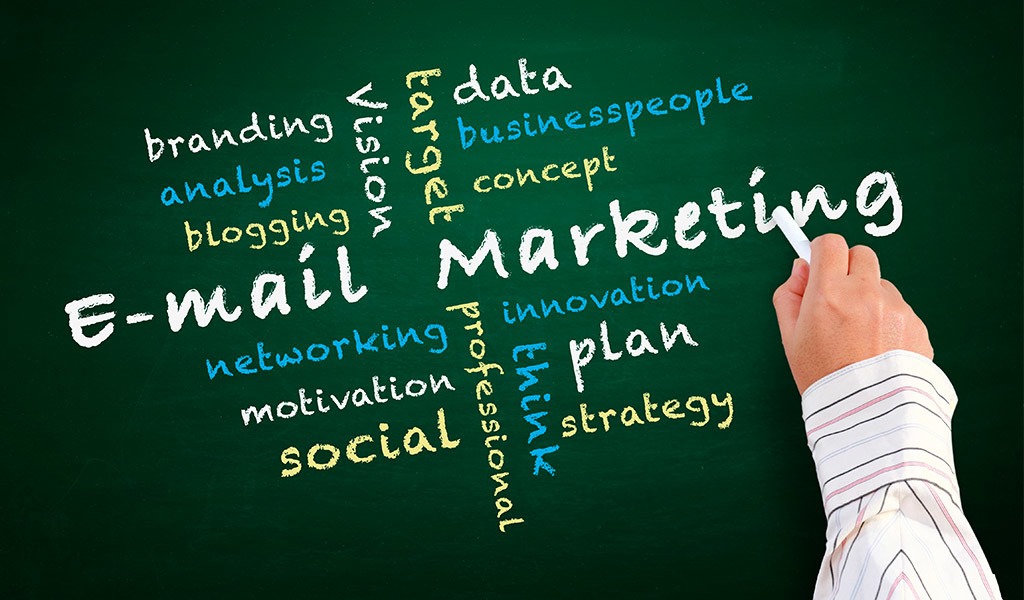
Email remains one of the few channels where you can build a direct, permission-based relationship with your audience. Here are practical principles that tend to hold up regardless of platform changes.
You own the relationship
A social media following is rented attention. An email list is a permission-based relationship you can take with you if algorithms, policies, or platforms change.
Email compounds
A blog post, podcast episode, or lead magnet can keep attracting subscribers long after it’s published. Over time, your list becomes a growing asset rather than a one-time campaign result.
Relevance beats frequency
Sending more emails isn’t always better. Sending the right email to the right segment usually outperforms blasting the same message to everyone.
Trust is the real currency
People don’t stay subscribed because you send promotions. They stay because your emails consistently help them solve problems, learn something, or feel understood.
Encourage replies
When subscribers reply, you learn their language, frustrations, and goals. Those replies can become ideas for products, content, and future campaigns.
Segment by behavior, not just demographics
What someone clicks on is often more useful than their age or location. Interests revealed through behavior tend to predict future purchases better than basic profile data.
Clean your list regularly
Inactive subscribers can hurt deliverability. Removing or re-engaging them often improves results more than adding new subscribers.
Create onboarding sequences
The first few emails after someone subscribes are usually the most important. Use them to set expectations, share your best resources, and build trust early.
Track meaningful metrics
Open rates can be useful, but they’re not the whole story. Pay closer attention to clicks, replies, conversions, and long-term subscriber retention.
A useful mindset shift
Instead of asking, “How can I get more sales from this email?”, ask “How can I make this subscriber more successful?”.
When subscribers consistently get value from your emails, sales become a natural byproduct of the relationship rather than the sole purpose of the communication.
A simple 1 through 5 Self-Check
Do you own a direct way to reach your audience that doesn’t depend on a social platform? Yes / No
Are you segmenting subscribers based on what they click, buy, or engage with? Yes / No
Do new subscribers receive an intentional welcome sequence? Yes / No
Do you regularly remove or re-engage inactive subscribers? Yes / No
Are your emails primarily focused on helping subscribers rather than just promoting offers? Yes / No
Scoring guide: 5 = strong email foundation; 3–4 = solid but with room to improve; 0–2 = significant opportunity to increase the value of your list.
One final thought: the marketers who thrive long term are rarely the ones with the flashiest campaigns. They’re the ones who consistently nurture an audience that trusts them enough to keep opening their emails year after year.
I’m bestselling USA Today and Wall Street Journal author Connie Ragen Green. My goal is to help at least a thousand people to reach six-figures and beyond with an online business for time freedom and passive income and to simplify your life by understanding that your email list is quite valuable. Come along with me, if you will and let us discover how we may further connect to achieve all of your dreams and goals. Perhaps my “Monthly Mentoring Program” is right for you.
Leave a Reply